
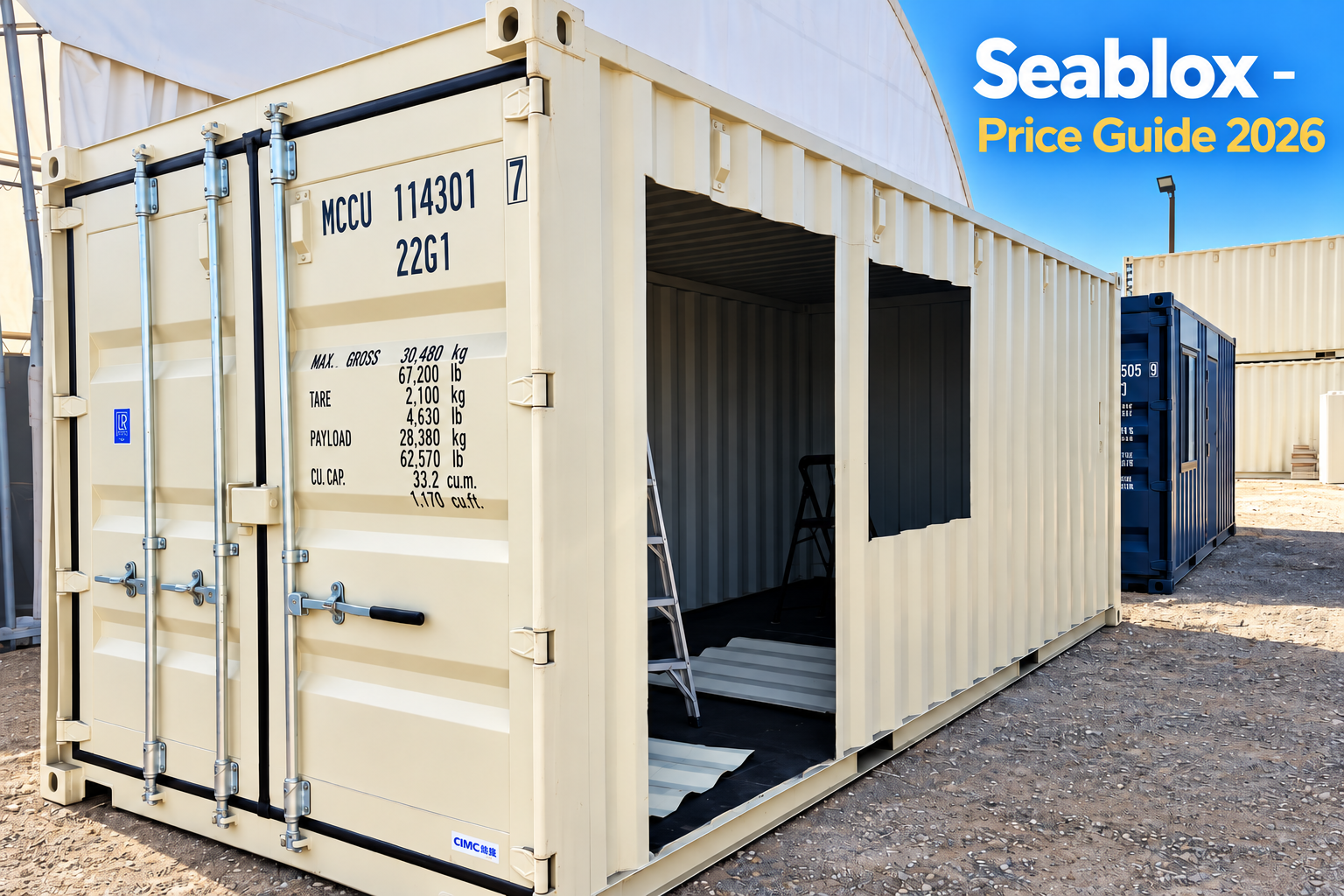
Shipping containers are no longer used exclusively for transporting and storing goods. Across Ontario, businesses are transforming them into offices, workshops, washrooms, equipment enclosures, retail spaces, and custom industrial facilities.
One of the first questions customers ask is: How much does it cost to modify a shipping container? The shipping container modification cost can vary significantly based on the specifics of the project.
The answer depends on the size and condition of the container, the modifications required, and the level of finishing involved. Installing a single personnel door is relatively straightforward, while converting a container into a fully insulated, electrically equipped workspace involves significantly more labour, materials, and planning.
The shipping container modification cost influences the overall budget and project planning, so it is important to understand the factors involved.
At Seablox, we specialize in shipping container sales and custom modifications for commercial, industrial, and residential applications throughout Ontario.
Understanding the shipping container modification cost can help you make informed decisions about your container project.
In this guide, we’ll explain the typical costs of common shipping container modifications, what affects pricing, and how to plan your project without unnecessary expenses.
In summary, the shipping container modification cost will depend on the desired modifications and overall project scope.
Shipping Container Modification Cost Overview
To assist in budgeting, here’s a breakdown of shipping container modification cost estimates for various modifications.
For basic modifications, such as adding a personnel door, window, or ventilation, customers might spend approximately $1,000–$5,000 beyond the cost of the container, depending on the work involved.
Larger projects involving insulation, electrical wiring, heating, cooling, and interior finishing can cost considerably more.
The following table provides approximate budgeting ranges for common modifications in Ontario.
When considering options, be sure to evaluate how the shipping container modification cost will affect your overall investment.
| Modification | Estimated Cost (CAD) |
|---|---|
| Personnel door installation | $1,500–$3,000 |
| Window installation | $800–$1,800 |
| Roll-up door installation | $1,700–$6,000 |
| Passive ventilation | $250–$750 |
| Lockbox installation | $200 |
| Spray foam insulation (20′ container) | $2,500–$5,000 |
| Basic electrical package | $3,000–$7,000 |
| Mini-split heating and cooling | $2,000–$6,500 |
| Interior framing and cladding | $3,000–$9,000 |
| Exterior painting | $1,200–$4,000 |
Ultimately, assessing the shipping container modification cost can lead to better budgeting and planning for your project.
These are general 2026 budgeting estimates in Canadian dollars, not fixed Seablox installation prices. Actual costs depend on specifications, container size, materials, and installation requirements. The ranges generally exclude the base container, delivery, HST, site preparation, and engineering or approval costs unless specifically included in a quotation.
Not every modification needs to be completed at once. Some customers require only improved access and security, while others need a fully finished container that can operate as a year-round workspace.
1. How Much Does the Shipping Container Itself Cost?
Before considering modifications, you need to choose the right container.
Used shipping containers generally offer the lowest initial investment. One-trip containers cost more but are typically in much better cosmetic condition, with less wear, fewer dents, and newer paint.
For reference, Seablox’s advertised container prices in October 2026 included:
| Container | Listed Price (CAD) |
|---|---|
| 20′ used shipping container | $1,700 |
| 20′ one-trip shipping container | $3,000 |
| 20′ high-cube one-trip container | $3,600 |
| 40′ one-trip shipping container | $4,200 |
These are examples from our inventory, and pricing and availability are subject to change.
View our shipping containers for sale for current options.
Used vs. One-Trip Containers for Modifications
For simple storage modifications, a good-quality used container can be an economical starting point.
However, if you plan to build a finished office, retail space, or another customer-facing structure, a one-trip container may be worth the additional investment.
A newer container generally provides a cleaner starting point for fabrication and finishing. It can reduce the amount of cosmetic repair and surface preparation required before modifications begin.
The condition of the existing floor, walls, roof, and door seals should also be considered, particularly when the container will be insulated and permanently finished inside.
2. Personnel Door Installation Costs
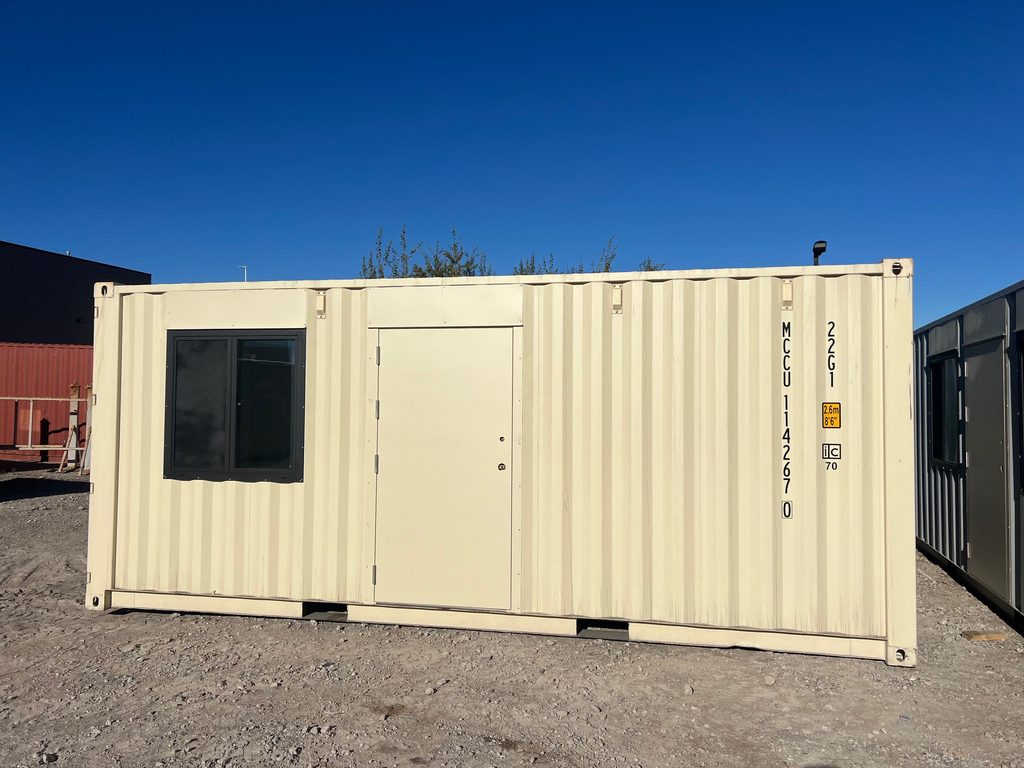
One of the most popular shipping container modifications is installing a standard personnel door.
Original shipping container cargo doors are strong and secure, but opening and closing them several times each day isn’t always practical.
An additional personnel door provides easier access, especially for container offices, workshops, equipment rooms, and frequently accessed storage units.
Estimated cost: $1,500–$3,000 installed.
The final price depends on the size and type of door, insulation, hardware, and required structural framing.
A typical installation involves cutting an opening into the corrugated steel wall, installing a reinforced door frame, fitting the door and hardware, and weatherproofing the opening.
Insulated steel doors are particularly useful for heated or air-conditioned containers.
Where the container is intended for regular occupancy, door width, clearances, accessibility, and emergency egress requirements should also be considered during design.
3. Shipping Container Window Installation Costs
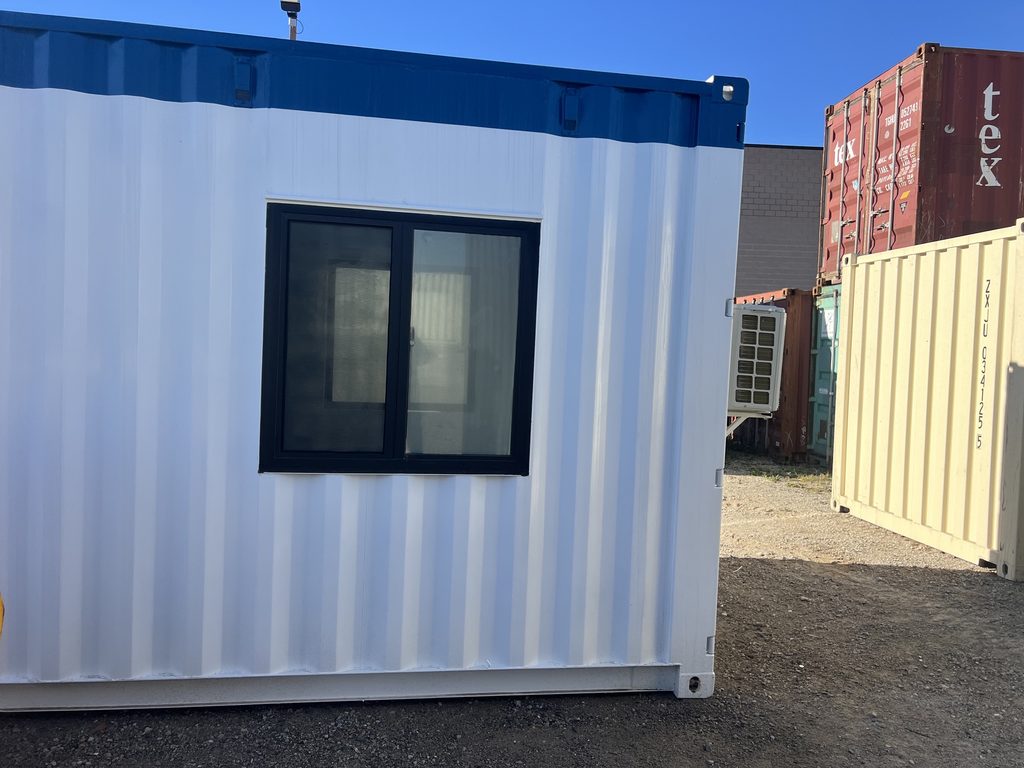
Windows can transform a dark shipping container into a bright and comfortable workspace.
They are particularly popular in shipping container offices, retail units, security booths, and staff lunchrooms.
Estimated cost: $800–$1,800 per installed window.
Window pricing depends on the dimensions, frame material, glass specifications, and the complexity of the opening.
Common options include fixed windows, sliding windows, and commercial aluminum-framed units.
Larger windows may require additional reinforcement around the opening.
Proper sealing and flashing are important because container walls are corrugated. A poorly installed window can allow water to penetrate around the frame, particularly during heavy rain or snowmelt.
When several windows are required, planning their locations together can make the fabrication process more efficient.
4. Roll-Up Door Installation Costs
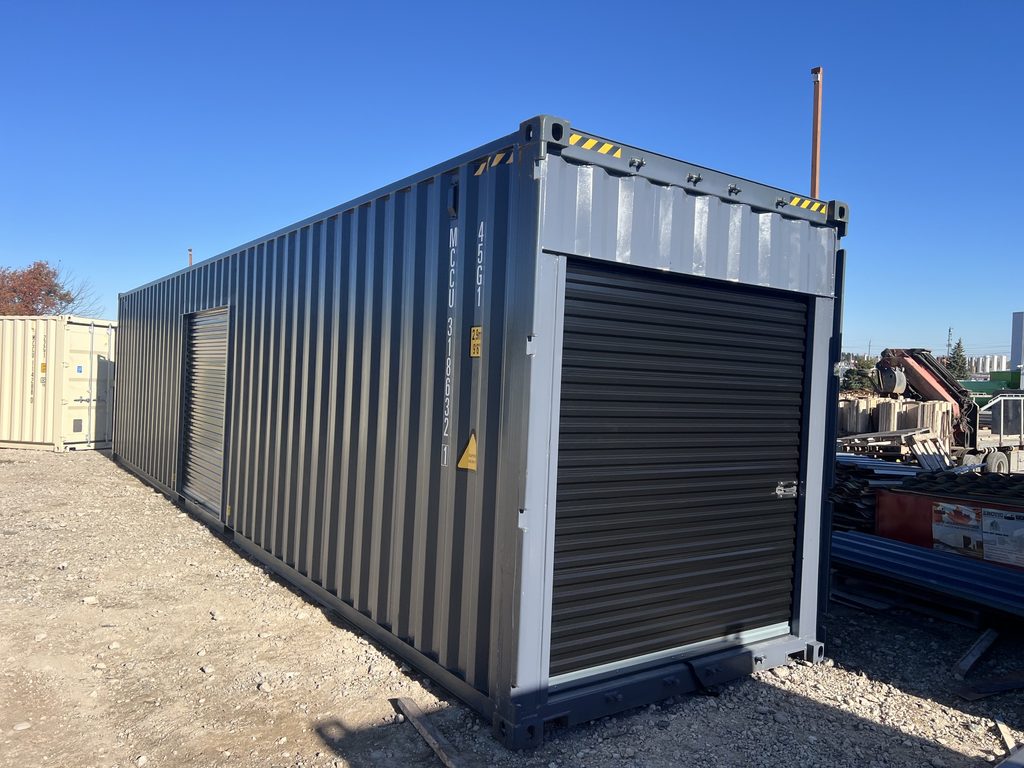
Roll-up doors are a popular choice for shipping containers used as workshops, equipment storage, and industrial storage units.
Unlike traditional cargo doors, roll-up doors open vertically, making access easier where space is limited.
Estimated cost: $1,700–$6,000 installed.
Common sizes include approximately 6′, 8′, and 10′ wide openings, depending on the container configuration and available structural clearance.
The cost depends on the door size, construction, operating mechanism, and reinforcement requirements.
Cutting a large opening into a container wall may significantly affect its structural behaviour. The required framing and reinforcement should be determined before fabrication.
For customers who frequently load equipment or pallets, a roll-up door can provide a substantial improvement in everyday usability.
5. Shipping Container Insulation Costs
Insulation is one of the most important considerations when modifying a container for year-round use in Ontario.
Shipping containers are constructed primarily from steel, which conducts heat readily. Without insulation, the interior can become extremely hot during summer and cold during winter.
Temperature differences can also create condensation on the interior steel surfaces.
Closed-Cell Spray Foam Insulation
Closed-cell spray foam is a common insulation method for modified shipping containers.
It is applied directly to the steel walls and ceiling, following the corrugated profile and helping reduce air leakage and moisture movement.
Estimated cost: $2,500–$5,000 for a typical 20′ container, depending on insulation thickness and the areas being covered.
Larger containers and additional insulation thickness increase the cost.
Common insulation thicknesses include 2″ and 3″, depending on the intended use and thermal performance requirements.
Closed-cell spray foam is especially useful in offices, heated workshops, washrooms, and climate-controlled industrial applications.
Rigid Insulation and Other Options
Rigid foam boards and mineral wool are also used in certain container conversions.
However, the insulation system must be designed carefully around the corrugated steel walls, framing, thermal bridges, and condensation risks.
For occupied spaces, the assembly must also account for applicable fire-protection and building-code requirements. Exposed spray foam may require an approved thermal barrier or other protective system.
The cheapest insulation option isn’t always the most economical over the life of the building, particularly if heating and cooling costs are significant.
6. Electrical Installation Costs
Electrical systems are essential for shipping container offices, workshops, washrooms, and many industrial applications.
The electrical requirements can range from a few lights and receptacles to a complete distribution system powering heating, cooling, machinery, and specialized equipment.
Estimated cost: $3,000–$7,000 for a basic electrical package.
A typical package may include a 60A or 100A electrical panel, interior LED lighting, receptacles, switches, exterior lighting, and wiring.
More advanced configurations may include dedicated equipment circuits, generator connections, electrical heaters, and automated controls.
Electrical systems should be designed for the actual equipment loads rather than simply selecting the smallest panel available.
Electrical Inspections in Ontario
Electrical safety is particularly important in modified shipping containers.
Depending on the installation and how the electrical equipment is supplied, applicable approvals may include an Electrical Safety Authority (ESA) inspection and/or product certification or field evaluation.
A factory-built electrical assembly and the final electrical connection at the installation site can have different approval requirements.
These considerations should be reviewed early in the project to avoid costly changes after interior finishing is completed.
7. Heating and Air Conditioning Costs
Many modified shipping containers require heating, cooling, or both.
Ontario’s climate makes proper temperature control especially important for offices, workshops, and occupied spaces.
Electric Baseboard Heating
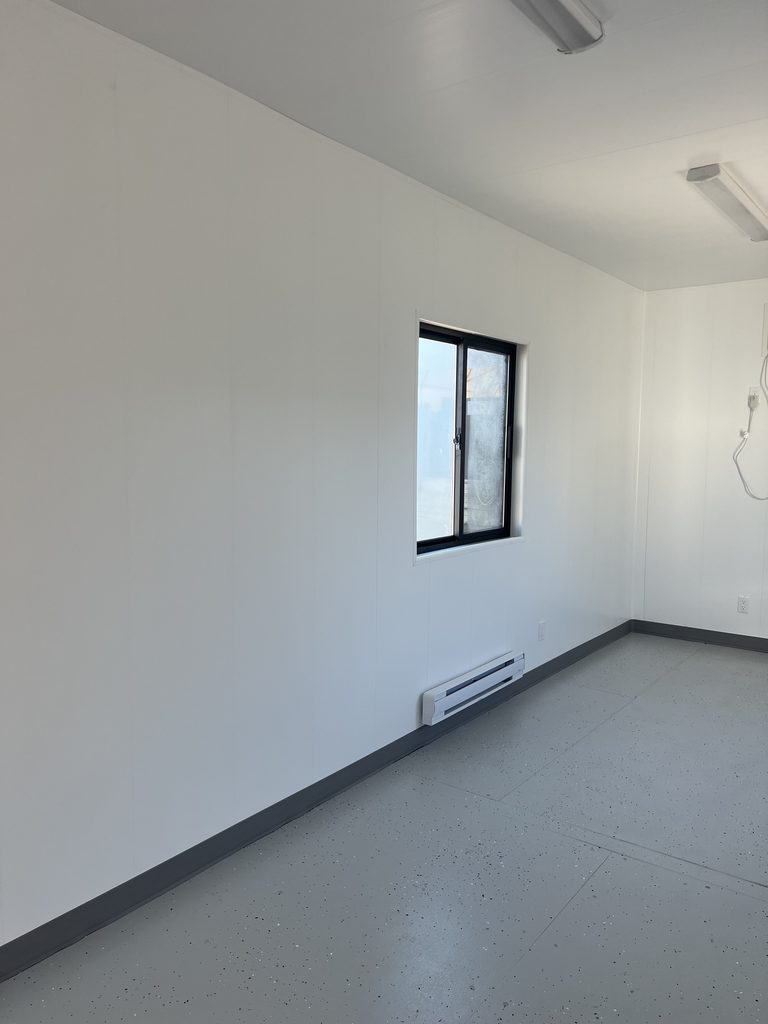
Electric baseboard heaters are a straightforward heating option for smaller insulated containers.
They are relatively simple to install and can provide dependable heating when properly sized for the space.
Through-Wall Air Conditioning
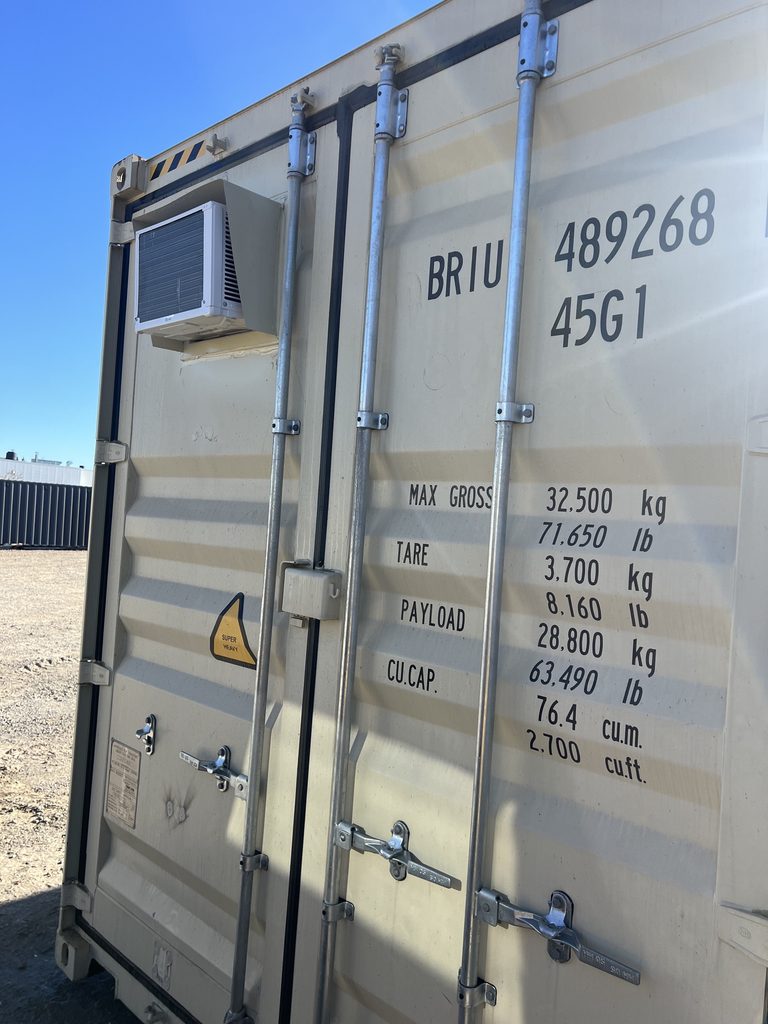
For containers that primarily require summer cooling, a through-wall air conditioner may be a cost-effective option.
These systems can work well for seasonal offices, security booths, and smaller workspaces.
Ductless Mini-Split Heat Pumps
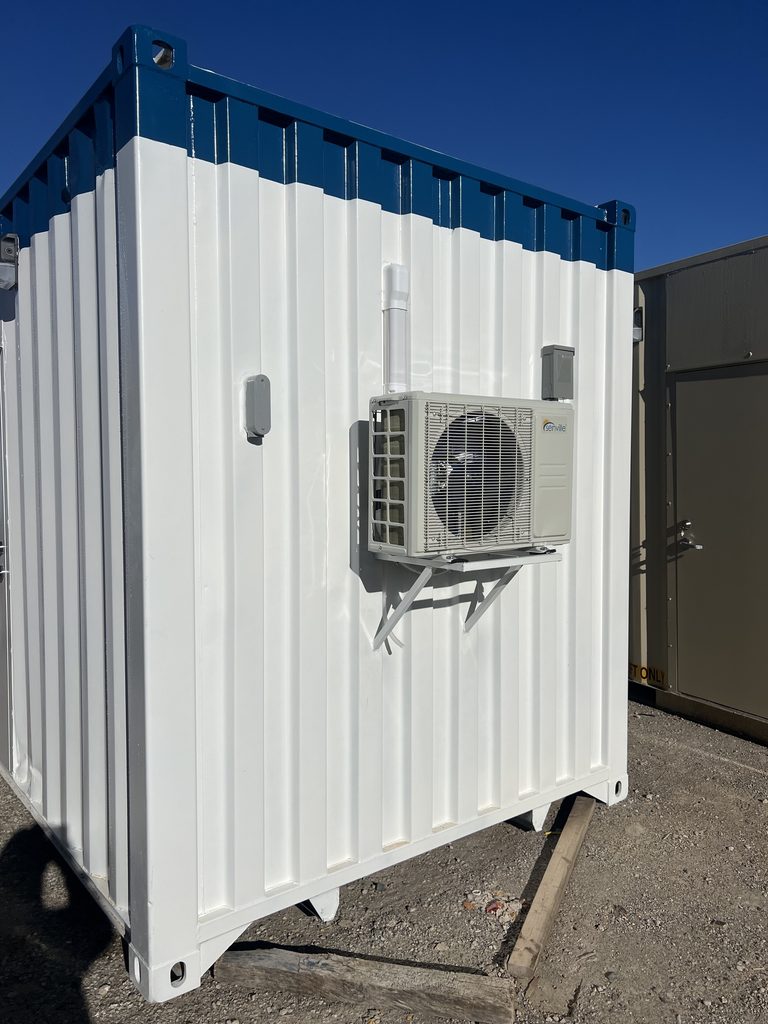
For year-round use, ductless mini-split heat pumps are a popular option because they provide both heating and cooling.
Estimated cost: $2,000–$6,500 installed, depending on capacity, equipment selection, and installation requirements.
Cold-climate heat pumps can operate in low outdoor temperatures, although their heating performance varies by model and conditions.
Backup electric heating may be appropriate for certain applications.
The correct system size depends on the container dimensions, insulation levels, windows, occupancy, ventilation, and expected operating conditions.
8. Interior Framing, Wall Finishing, and Flooring
Interior finishing has a major influence on the appearance, durability, and comfort of a modified shipping container.
For basic storage, interior finishing may not be necessary.
For offices and other occupied spaces, framing and wall cladding are usually part of the conversion.
Common Interior Finishes
PVC wall and ceiling panels: Provide a bright, easy-to-clean surface and are popular in offices and washrooms.
Plywood cladding: A practical option for workshops and industrial environments where equipment, shelving, or accessories may need to be mounted.
Metal cladding: Often selected for industrial applications requiring durability or specialized finishes.
Interior framing can be constructed using wood or steel studs, depending on the design requirements.
Estimated framing and cladding cost: $3,000–$9,000, depending on the container size and selected finishes.
Flooring Options
Most standard shipping containers have a plywood cargo floor.
In conclusion, knowing the shipping container modification cost will guide your decisions and help you achieve your project goals.
Depending on its condition and the intended application, the floor may be repaired, covered, coated, or replaced.
Ultimately, the shipping container modification cost will play a crucial role in shaping your project outcomes.
Epoxy floor coatings are popular for industrial container offices and workshops because they provide a durable and easy-to-maintain finish when applied over a properly prepared substrate.
As you explore options, consider how the shipping container modification cost aligns with your budget.
Other options include vinyl flooring, new plywood overlays, and specialized industrial flooring systems.
The final choice should account for moisture, traffic, cleaning requirements, and the condition of the original floor.
9. How Much Does a Complete Shipping Container Conversion Cost?
Individual modifications are useful for budgeting, but many customers prefer to purchase a fully completed container instead of managing multiple contractors.
Complete conversions generally include the base container, fabrication, insulation, interior finishing, electrical equipment, and other systems required for the intended application.
Shipping Container Offices
A fully finished container office typically includes insulated walls and ceiling, a personnel door, windows, electrical wiring, lighting, interior finishes, and heating or cooling.
For more information, please reach out to discuss your shipping container modification cost needs.
At Seablox, our standard turnkey shipping container office is advertised at $19,500 CAD.
The listed model includes insulated walls and ceiling, PVC interior cladding, an epoxy-coated floor, two windows, an insulated personnel door, electrical equipment, and climate-control options.
Final specifications and pricing may change depending on customization.
These offices are commonly used by construction companies, transportation businesses, industrial facilities, and commercial operations.
For larger operations, a 40′ container can provide additional room for multiple workstations, meeting spaces, or dedicated storage areas.
Learn more in our guide to shipping container offices in Ontario.
Shipping Container Washrooms
Container washrooms are more complex than standard office conversions because they require plumbing, sanitation systems, moisture-resistant finishes, and suitable heating and ventilation.
Depending on the installation, they may also include water storage tanks, wastewater holding tanks, pumps, water heaters, and monitoring equipment.
Seablox offers a fully equipped shipping container washroom with a published model price of $49,950 CAD.
Different layouts and custom configurations can be developed depending on the number of users and site requirements.
These units are particularly useful for construction sites, industrial yards, remote locations, and facilities where permanent washrooms are impractical.
Understanding the factors impacting the shipping container modification cost will empower you in your decision-making process.
Custom Workshops and Industrial Enclosures
Shipping containers can also be modified into workshops, generator enclosures, electrical rooms, pump houses, refrigeration units, and other industrial facilities.
Pricing for these applications varies significantly because the requirements can involve specialized ventilation, sound reduction, structural fabrication, electrical equipment, fire protection, or temperature control.
Projects involving hazardous materials or potentially explosive atmospheres may require specially rated components and additional engineering.
For these types of projects, a detailed custom quotation is generally more useful than a generic price estimate.
10. What Factors Affect Shipping Container Modification Costs?
Several factors influence the final price of a modified container.
Container Size
A 40′ container requires more material for insulation, framing, interior cladding, and painting than a 20′ container.
However, the total modification cost doesn’t necessarily double, since some components, such as electrical panels and entrance doors, may remain similar.
Container Condition
A used container with significant rust, damaged flooring, or structural defects may require additional preparation and repairs.
Starting with a container in good condition helps reduce unforeseen work.
Complexity of Modifications
Installing a small vent is generally simpler than cutting a large opening into a side wall.
Major structural modifications, custom partitions, or multiple container connections can require engineered reinforcement and additional fabrication.
Material Selection
Material choices make a difference.
Commercial-grade doors, aluminum windows, premium interior cladding, higher-performance insulation, and specialized coatings all affect the budget.
Engineering and Inspections
Some projects require structural engineering, electrical approvals, building permits, or other inspections.
These requirements should be identified before fabrication whenever possible.
Delivery and Site Preparation
Transportation costs depend on the delivery distance, container size, weight, and site accessibility.
Modified containers may require special lifting arrangements, particularly when exterior equipment or structural additions affect their weight and handling.
The installation site must also provide suitable support and drainage.
See our guide to shipping container foundation and base options for more information.
11. Do You Need a Permit to Modify a Shipping Container in Ontario?
Permit requirements depend on the container’s intended use, location, size, and modifications.
A container used temporarily for storage may be subject to different requirements than one converted into a permanent office or washroom.
For occupied containers, structural modifications and building services can trigger additional approval requirements.
By understanding the shipping container modification cost, you can make more strategic decisions for your project.
Municipalities may also regulate setbacks, permitted uses, foundations, site layout, and installation duration.
It is important to understand that purchasing a fully modified container does not automatically authorize its installation or occupancy on a particular property.
We are here to assist you in evaluating your shipping container modification cost and potential options.
Customers should confirm their project’s requirements with the local municipality and other applicable authorities before construction or delivery.
For more information, read our 2026 Ontario shipping container permit guide.
12. How to Reduce Shipping Container Modification Costs
There are several ways to control costs without compromising the functionality of your finished container.
Choose the right container from the beginning. A slightly more expensive unit in better condition may reduce repairs and preparation costs.
Plan modifications before fabrication starts. Door locations, windows, electrical equipment, and interior layouts should be coordinated before cutting and framing.
Complete modifications before delivery. Shop fabrication is generally more efficient than performing extensive modifications on-site, where access, equipment, and weather conditions can increase labour costs.
Avoid unnecessary upgrades. A storage container doesn’t necessarily need the same insulation, electrical system, or interior finish as an occupied office.
Consider a standard model. Pre-designed configurations can be more economical than completely custom layouts because materials and fabrication processes are already established.
At Seablox, we help customers select practical configurations that balance cost, durability, and long-term functionality.
Frequently Asked Questions
Is it cheaper to modify a shipping container or build from scratch?
It depends on the project. Shipping containers provide an existing steel structure, which can reduce certain fabrication requirements. However, extensive openings, specialized insulation, and complex building services can substantially increase conversion costs. A detailed comparison should include foundations, approvals, delivery, and installation.
How much does it cost to turn a 20′ shipping container into an office?
The price depends on insulation, windows, electrical requirements, HVAC, and interior finishes. As a real example, Seablox lists a turnkey 20′ container office model at $19,500 CAD. Customized configurations may cost more.
Can a shipping container be modified after delivery?
At Seablox, we strive to provide transparency regarding the shipping container modification cost to our clients.
Yes. Many modifications can be completed after delivery, but fabrication at a properly equipped workshop is generally more economical. Depending on the scope, on-site work may require additional equipment, mobilization, and weather protection.
Is spray foam insulation worth it?
Closed-cell spray foam can be a good investment for heated or cooled containers because it provides insulation and helps control air leakage and condensation. The appropriate thickness and protective finishes depend on the intended application.
Can I modify a used shipping container?
Absolutely. Used shipping containers are frequently modified into storage units, workshops, and other functional spaces. The important consideration is the condition of the container before work begins, particularly where structural modifications or permanent interior finishes are planned.
How long does it take to modify a shipping container?
Simple modifications may require relatively little shop time, while complete conversions can take several weeks or longer. Lead times depend on project complexity, material availability, engineering, inspections, and current production schedules.
Get a Quote for Your Shipping Container Modification Project
Whether you need a simple personnel door, an insulated storage container, a fully finished office, or a custom industrial enclosure, choosing the right modifications from the beginning can save time and money.
At Seablox Inc., we specialize in shipping container sales, custom modifications, and delivery throughout Ontario, including Toronto, Mississauga, Brampton, Vaughan, Orangeville, and surrounding areas.
Our team works with customers to develop practical solutions tailored to their intended use, preferred specifications, and project requirements.
Explore our shipping container modification services or contact Seablox for a custom quote.
Seablox Inc. — Shipping Containers, Custom Modifications & Delivery Across Ontario.